Fun Ways to Learn Science Outside the Classroom
With science at work all around us, learning it should be a holistic and continuous experience! Here are some ways to keep learning science at your own time, outside of the classroom.

Try some simple experiments
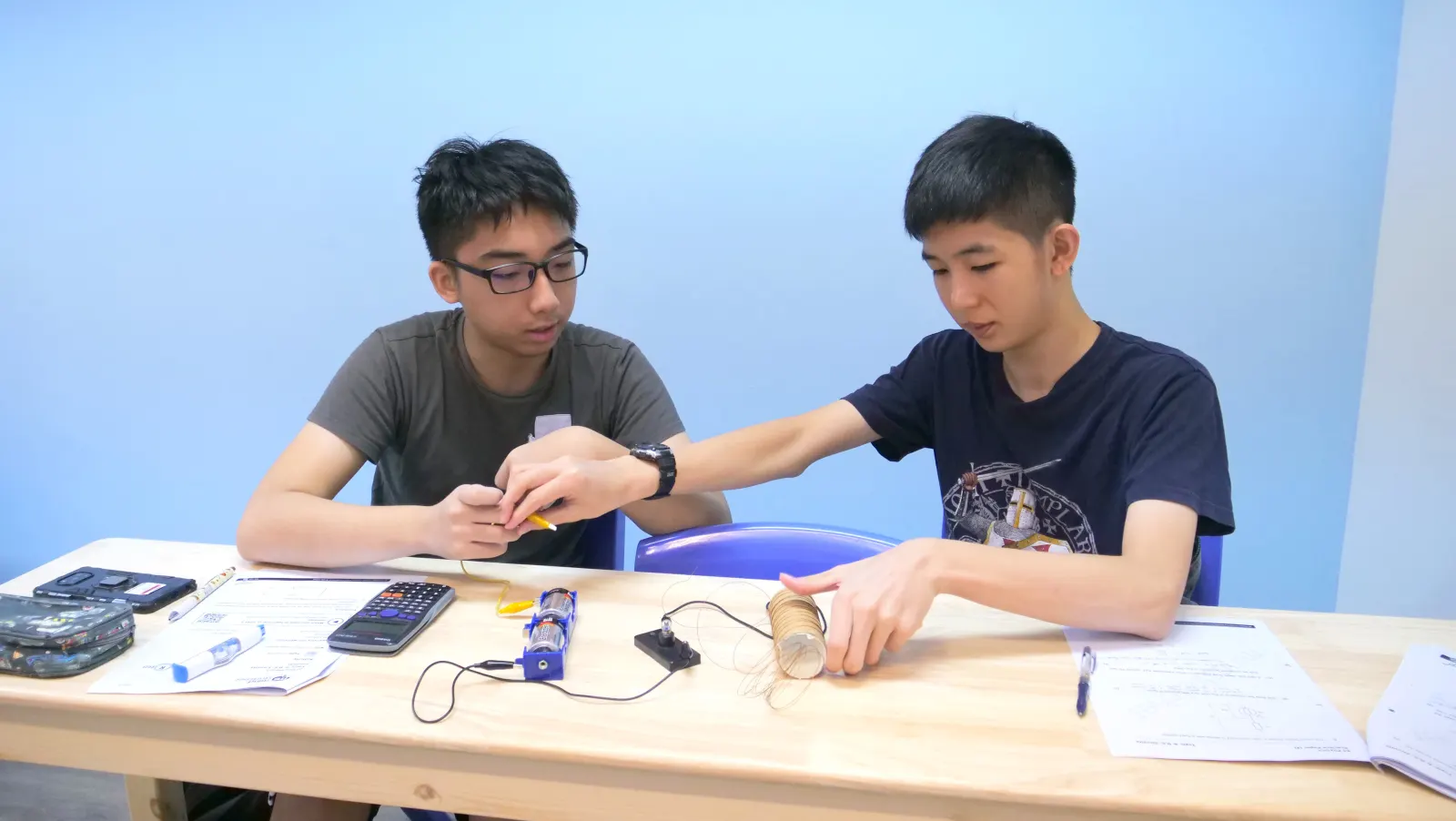
Not all experiments have to be conducted in a lab with advanced apparatus and dangerous chemicals! There are hundreds of simple science experiments you can set up with just a few household items. You could try food-related experiments, like making your own ice cream, which will teach you about how salt affects the temperature of ice or making your own bread which will help you learn about yeast. Experiments can also model processes that occur inside the human body and help us visualise them better. For example, making a lung model with just some balloons dand a plastic bottle will show you the way your diaphragm and lungs work. Experiments will teach you to ask the right questions and make observations in a scientific way.
Scrapbooking
Start a scrapbook just for science! Pick a topic you enjoy that you’d like to learn more about and dedicate a few pages of your book to it. Look for relevant images on the internet or in magazines and newspapers. You can even use photographs you’ve taken yourself. As you search for images to include in your scrapbook, look for fun facts and interesting information about your chosen topic to add in as well. As you uncover more about your subject, you might find yourself with more questions! Keep looking for answers and you’ll end up knowing more than ever about your chosen topic. Finally, be creative with your materials - if you are scrapbooking about plants, you might want to include leaves and pressed flowers in your pages!
Go on a nature walk
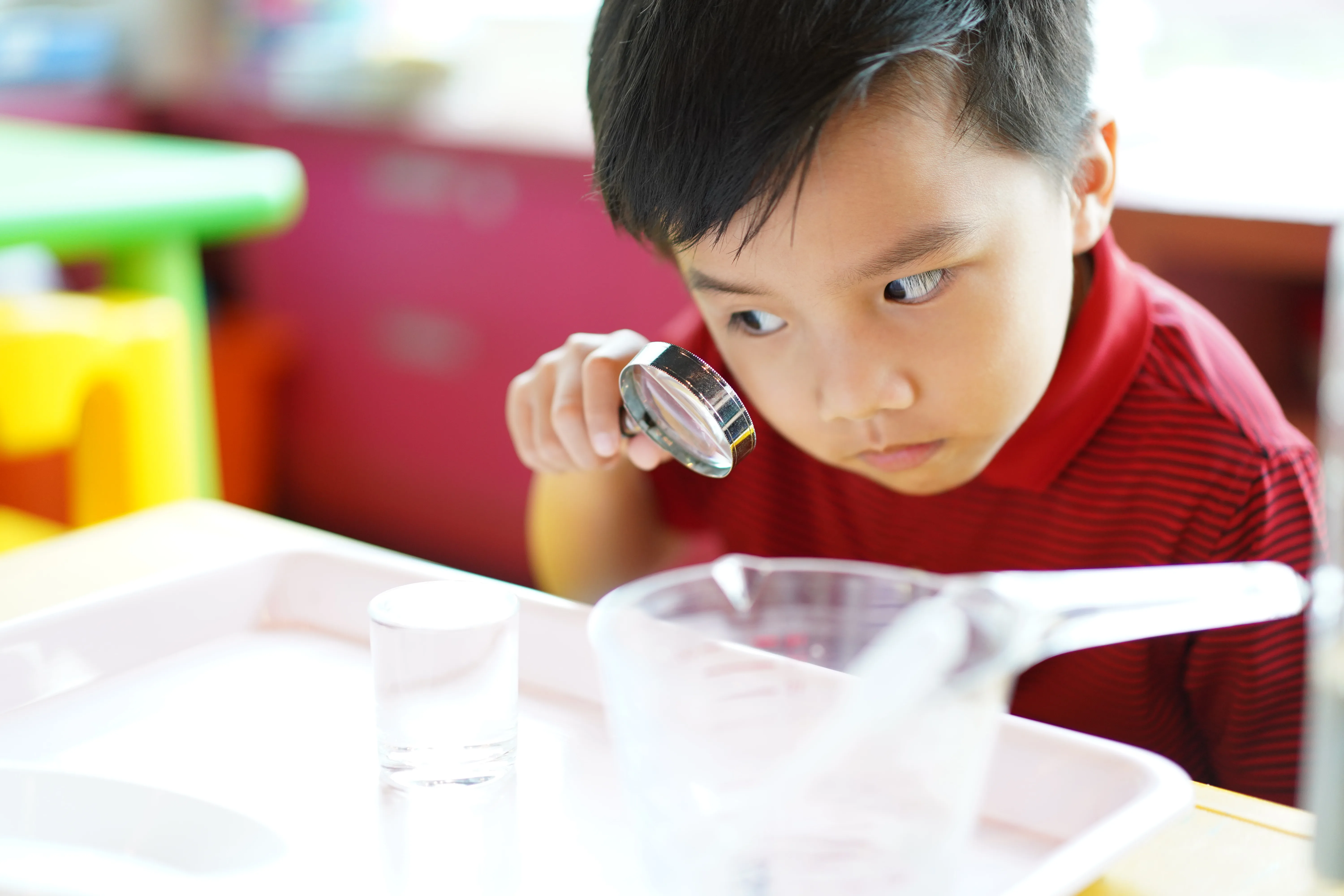
Bring a magnifying glass, a camera, and a small notebook and go on a nature walk! You can choose to visit any place in nature, like a park or garden or even the beach. Use your observational skills and witness the way science is at work at all times in the world around us. Notice the way all the living things in an ecosystem influence each other and how the environment contributes to their survival. See if you can spot creatures at different stages in the life cycle while you’re out. For example, if you come across a pond, see if you can spot frog eggs, tadpoles and frogs. End your nature walk by finding something to take home, like some seashells!
Watch documentaries and TV shows
Last but not least, watching documentaries and television shows can give you lots of insight into a myriad of topics. The narratives and story-telling methods used in these programmes can spark interest in new topics or supplement the knowledge you gain in school, help to reinforce what you already know and gain a more holistic understanding of scientific concepts and topics. A good example would be documentaries on dinosaurs and other prehistoric life which are commonly aired on television and easily found on streaming services. Even though you may not directly be tested on this in your examinations, shows about prehistoric life can introduce you to the classification of animals based on their diets. It can also deepen your understanding of evolution and the way survival works, which can act as a strong foundation as you move on to learn about other living beings. Even if you are watching a show or movie rooted in fiction, you might find yourself spurred to look into the facts!