GCE O-Level English Oral Guide: Planned Response and Spoken Interaction
The O-Level English Oral carries a 20% weightage. This article covers common O-Level oral themes and model responses to help you understand what examiners typically look out for.
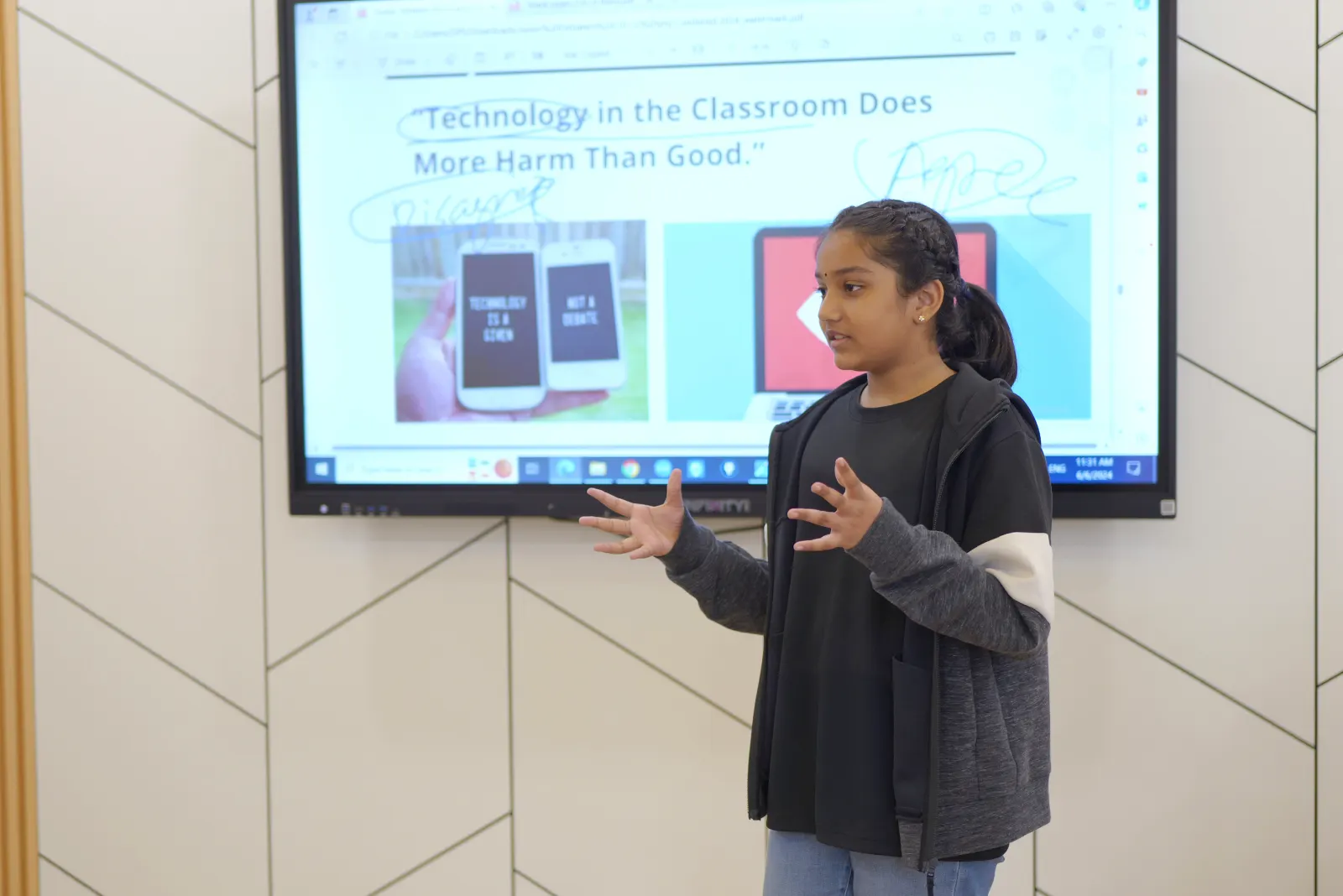
GCE O-Level English Oral Exam Structure
The GCE O-Level English Oral Examination comprises two key components: Planned Response and Spoken Interaction. As it accounts for 20% of the overall grade, scoring well is essential, and students can prepare for it effectively.
Common O-Level English Oral Themes
Students can prepare effectively by practising these common O-level oral themes:
Education
Year 2023 Day 5: Video showed students doing chemical practical science experiences in a lab
Planned Response
Would you and your friends prefer hands-on learning?
Spoken Interaction
What are the advantages and disadvantages of studying with friends?
Some people say that academic grades are not as important as what we learn in school. Do you agree?
Technology
Year 2023 Day 6: Video showed robots performing at a robot exhibition.
Planned Response
Did the video change your opinion of robots?
Spoken Interaction
Can robots replace teachers?
How can technology improve education?
Environment & Sustainability
Year 2024 Day 4: Video showed a rubbish truck with workers clearing waste from a rubbish bin.
Planned Response
Is this a good way to collect and manage waste? Why or why not?
Spoken Interaction
What can people do to reduce waste?
Why do you think we should be concerned about waste reduction? Explain your views.
Urban Life & Infrastructure
Year 2024 Day 2: Video showed the interior of a shopping mall ( Jewel Changi’s Rain Vortex).
Planned Response
Should there be more of such nature-themed spots as shown in the video? Why or why not?
Spoken Interaction
What can be done to encourage teenagers to spend more time in nature?
Do you agree that young people can do more to protect nature? Why do you say so?
Community
Leadership
Arts, Culture & Heritage
These subjects reflect real-world issues that encourage students to think critically and express their views meaningfully.
Mind Stretcher REAP & PEERS Oral Frameworks
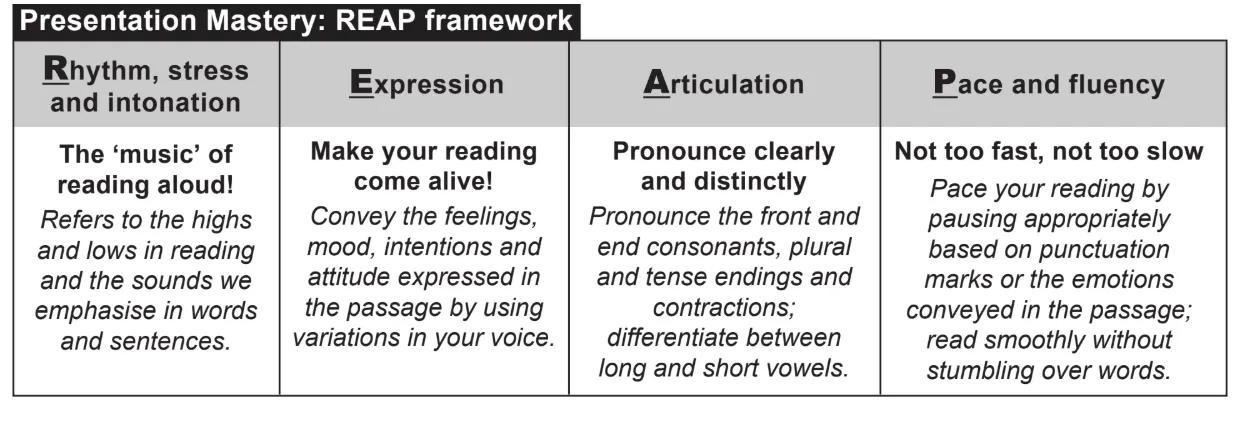
The REAP and PEERS oral frameworks help students structure their responses coherently and deliver them with confidence. Here’s how each framework works:
(i) The REAP Framework: Use REAP when delivering your Planned Response!
(ii) The PEERS Framework: Use PEERS to organise your ideas!
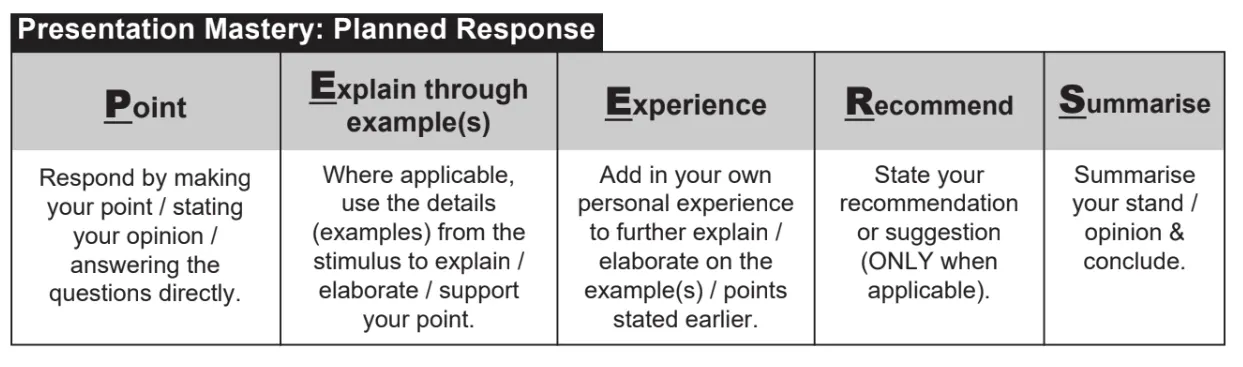
Mastering the Planned Response: Structure, Delivery, and Impact
This section carries 15 marks, requiring Candidates to plan and deliver a response of up to 2 minutes to a video clip and accompanying prompt presented on a computer screen. Candidates are assessed on their ability to present their ideas and opinions fluently and effectively to engage the listener.
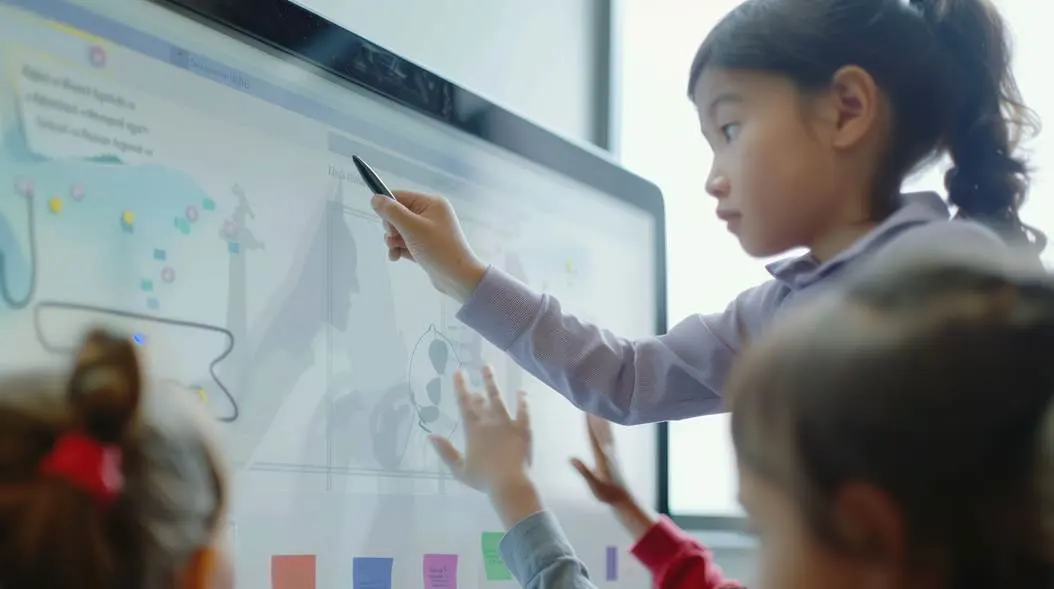
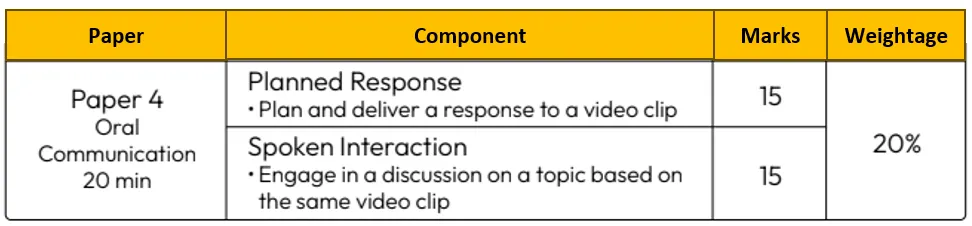
With reference to the above image, here’s a sample planned response based on a common O-Level oral theme on technology.
Prompt for Planned Response: Explain how modern technology can transform traditional classroom learning.
Model Response:
“Modern technology has the potential to revolutionise traditional classroom learning by making it more interactive, collaborative and engaging. The video showcases several ways tech can transform the educational experience.
Firstly, interactive whiteboards, as seen in the clip, allow for a more dynamic and hands-on learning environment. Instead of passively listening to a teacher lecture in front of a static blackboard, students can actively participate by writing on the digital screen, moving elements around, and accessing multimedia resources with a tap. This kinesthetic engagement helps reinforce concepts and appeals to diverse learning styles.
Moreover, technology facilitates collaborative learning through tools for group projects. Students in the video worked together on shared digital documents, which enabled simultaneous real-time contribution and peer feedback. Cloud-based platforms let groups continue working seamlessly outside the classroom, accommodating different schedules. Collaborative software also makes it easy for teachers to monitor individual participation and provide targeted guidance, preparing students for modern teamwork.
However, technology shouldn't completely replace traditional methods but rather enhance them. Human interaction remains key—technology is simply a tool to remove barriers and create new possibilities. Face-to-face discussion, printed books, and paper-based work still have their place. The best approach integrates tech naturally to support learning objectives. Teachers must intentionally introduce tech only when it genuinely adds value and engagement.
In conclusion, while technology can powerfully transform classrooms, the fundamental aim of nurturing curious, critical thinkers stays constant. Interactive whiteboards, digital group projects, and other innovations should serve this timeless educational vision. By leveraging technology to support collaboration, engagement and 21st century skills, teachers can honour tradition while embracing progress.”
With the REAP and PEERS frameworks in mind, we examine the model answer above to understand how each element of the frameworks have been effectively applied:
Prompt Response Techniques -
Opens with a clear thesis statement directly addressing the prompt
Uses the video as a springboard for discussion, referring to specific examples
Organised into clear paragraphs, each focusing on one main idea
Utilises topic sentences to introduce each paragraph's central point
Incorporates transition words and phrases to link ideas smoothly
Provides specific examples and explanations to support claims
Acknowledges potential counterarguments or limitations
Includes a balanced, nuanced perspective considering multiple angles
Concludes by reinforcing the main argument while also providing a broader insight
Demonstrates advanced vocabulary, complex sentence structures, and idiomatic expressions
Maintains a formal, academic tone throughout
Excelling in Spoken Interaction: Sharpening Your Thinking and Communication
The Spoken Interaction section (15 marks) follows, where Candidates engage in a discussion with the Examiners on a topic broadly related to the video clip used in the Planned Response segment. They will not be asked any questions about what people say in the video clip.
This segment evaluates how well you can engage in a thoughtful, coherent discussion. This section offers you the chance to expand on your ideas, present your opinions clearly, and steer the conversation with maturity and insight.
Similarly, based on the technology theme, here’s a model response:
Spoken Interaction: How can teachers balance technology use with traditional learning methods?
Model Response:
“Balancing technology with traditional methods is an essential challenge for modern teachers. The key is being intentional and strategic. Before integrating any new tool, educators should ask: What is the learning objective? How will this tech help achieve it? Is it worth the time investment?
Technology should be adopted judiciously, not just for its own sake. If a traditional method is already effective, there's no need to force a digital solution. But when technology does enhance engagement, access, or understanding, it's worth learning and leveraging. The goal is to expand possibilities, not limit them.
One balanced approach is blended learning, a mix of online and offline modalities. For example, students might watch an instructional video, then come to class for discussion and hands-on practice. Or they could read a paper textbook but complete digital quizzes that adapt to their level. This allows teachers to utilise the best of both worlds—the efficiency of technology and the relational benefits of in-person learning.
It's also important to explicitly teach digital literacy and citizenship. Students must learn to evaluate online information, protect their privacy, and interact ethically as they use more tech tools. Balancing the use of technology means empowering students to navigate the digital world responsibly.
Ultimately, balanced technology integration requires ongoing reflection and adjustment. Teachers must regularly evaluate what's working and adapt to support authentic, deep learning. Mastering this balance is a cornerstone of 21st-century teaching.”
Let’s look at how the PEERS framework had been applied in the model response:
Spoken Interaction Techniques -
Response begins with a clear focus statement defining the key challenge
Presents strategies in a logical sequence (being intentional, blended learning, teaching digital literacy)
Utilises rhetorical questions to frame key considerations for teachers
Incorporates specific examples to illustrate suggested strategies
Emphasises the importance of adaptability and ongoing reflection
Uses metaphorical language to make points more vivid and memorable (e.g., "cornerstone" skill)
Concludes with a strong reinforcement of the main idea and its significance
Mastering the GCE O-Level English Oral Examination takes more than just good language skills - it requires strategic preparation, confident delivery, and the ability to think on your feet.
The GCE O-Level English Oral Examination is more than just a school assessment - it plays a vital role in helping students develop the ability to express themselves clearly, confidently, and purposefully. These communication skills are essential not only for academic success but also in preparing students to be effective speakers and active participants in their future careers.
By applying the tips shared for both the Planned Response and Spoken Interaction components, students can approach the oral exam with greater clarity and assurance.
Remember, communication is a lifelong skill, and the oral exam is an important step toward becoming a thoughtful and articulate speaker.