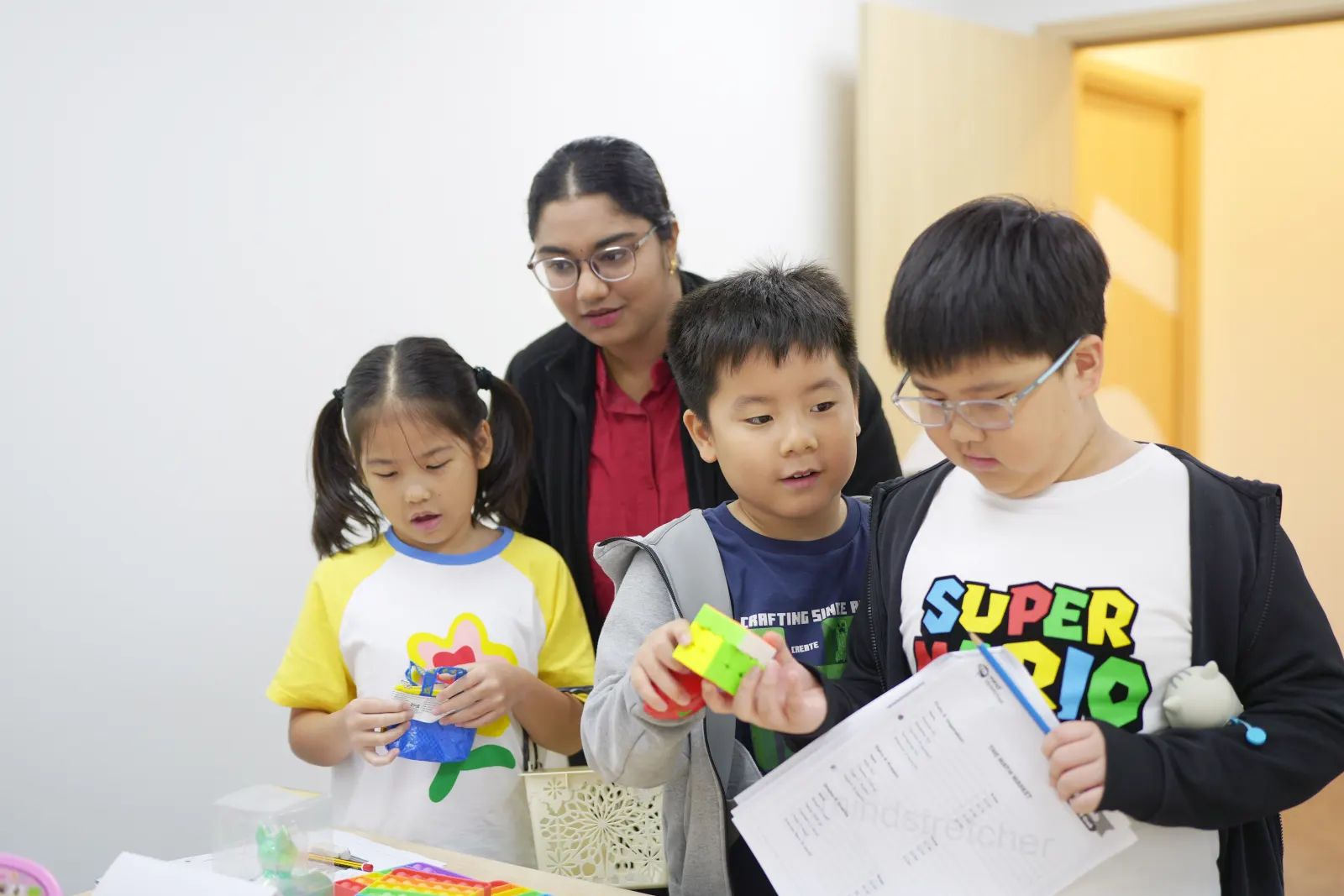
How to establish an after-school routine
One of the ways you can help your child succeed in school and life in general is to help them set up a constructive after school routine. A routine can help your child develop good habits, manage their time effectively, and reduce stress. Here are some ways you can help them create one!
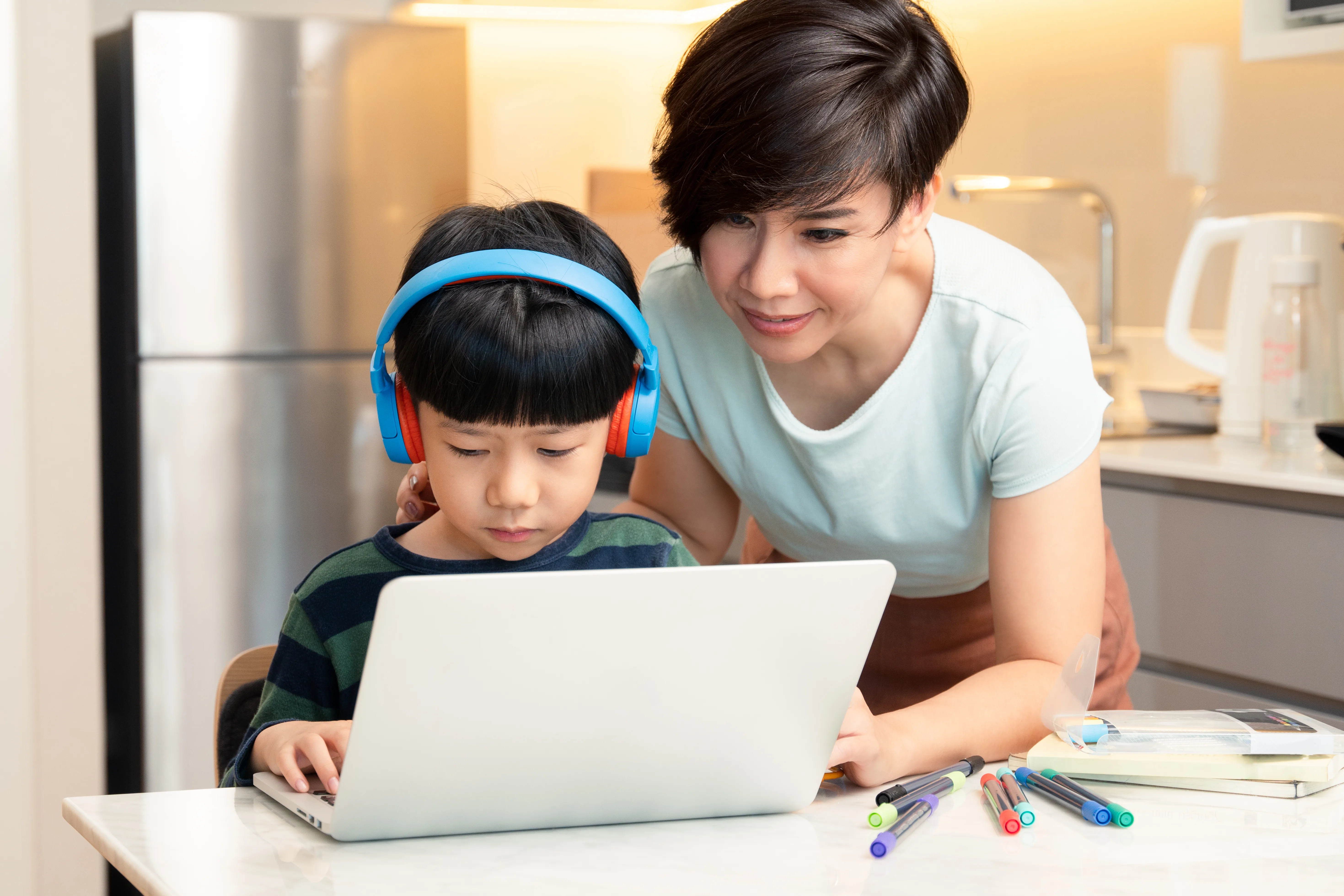
Involve goal setting
Thinking about goals while setting up a routine can help to create clear expectations. There can be a million things a child wishes to do after school! However, as we all know, time is limited and only some activities can be part of their daily schedule. Keeping your child’s personal academic and non-academic goals in mind can help you both decide which activities can be part of a realistic and fruitful after school routine. For example, one goal all students have (we hope!) is to keep up with their school work. This means setting aside enough time to complete homework and revise for any upcoming tests should be a key part of their after school routine!
Include a variety of activities
Since quite a bit of after school time ends up being spent on catching up with school work, practice and revision, it is good to include varied activities in your child’s after school routine. A routine with a good variety of different activities will help your child maintain a balance between their education, hobbies and their physical and mental health. If a large chunk of your child’s routine involves sitting at their desk and reading and writing, you can help to add variety to their day by including physical activities. If your child is extroverted and feels recharged by being around other people, team sports like soccer or basketball can be a good activity to add to their routine. On the other hand, introverted children might find themselves energised by individual sports, other outdoor hobbies or simply spending some time in nature.
Balance structure and flexibility
Structure ensures that a child sticks to the routine they have created for themselves and provides them with a sense of consistency. It also gives them a sense of agency and acts as a reminder that they have the ability to manage their own time outside school hours. However, routines should also allow for flexibility. For example, encouraging your child to be flexible will teach them to make their own changes to their routine depending on how much homework they have. They will learn to set up different schedules for weekdays, weekends and holidays and make adjustments based on their own needs like additional time for rest and self-care.
Encourage Independence
The final step in helping your child establish an after school routine is to encourage independence. Children need to learn how to manage their time and take responsibility for their own learning. You can help by gradually giving your children more responsibility for their after school routine. This can include allowing them to choose their own study area, setting their own personal and academic goals, and tracking their own progress. By encouraging independence, you can help your children develop important life skills that will serve them well in the future.