Upper Secondary: Key Pointers for O-Level / IP Year 4 Success
Insights from our January Upper Secondary subject briefings to help you excel.
Upper Secondary is a critical phase — Sec 3 / IP Year 3 students are adjusting to new subjects like Pure Sciences and Additional Mathematics, while Sec 4 / IP Year 4 students are gearing up for milestone exams. We’ve been conducting subject-specific briefings throughout January to share what it takes to excel at this level.
Here’s a summary of key pointers from our Upper Secondary briefings:
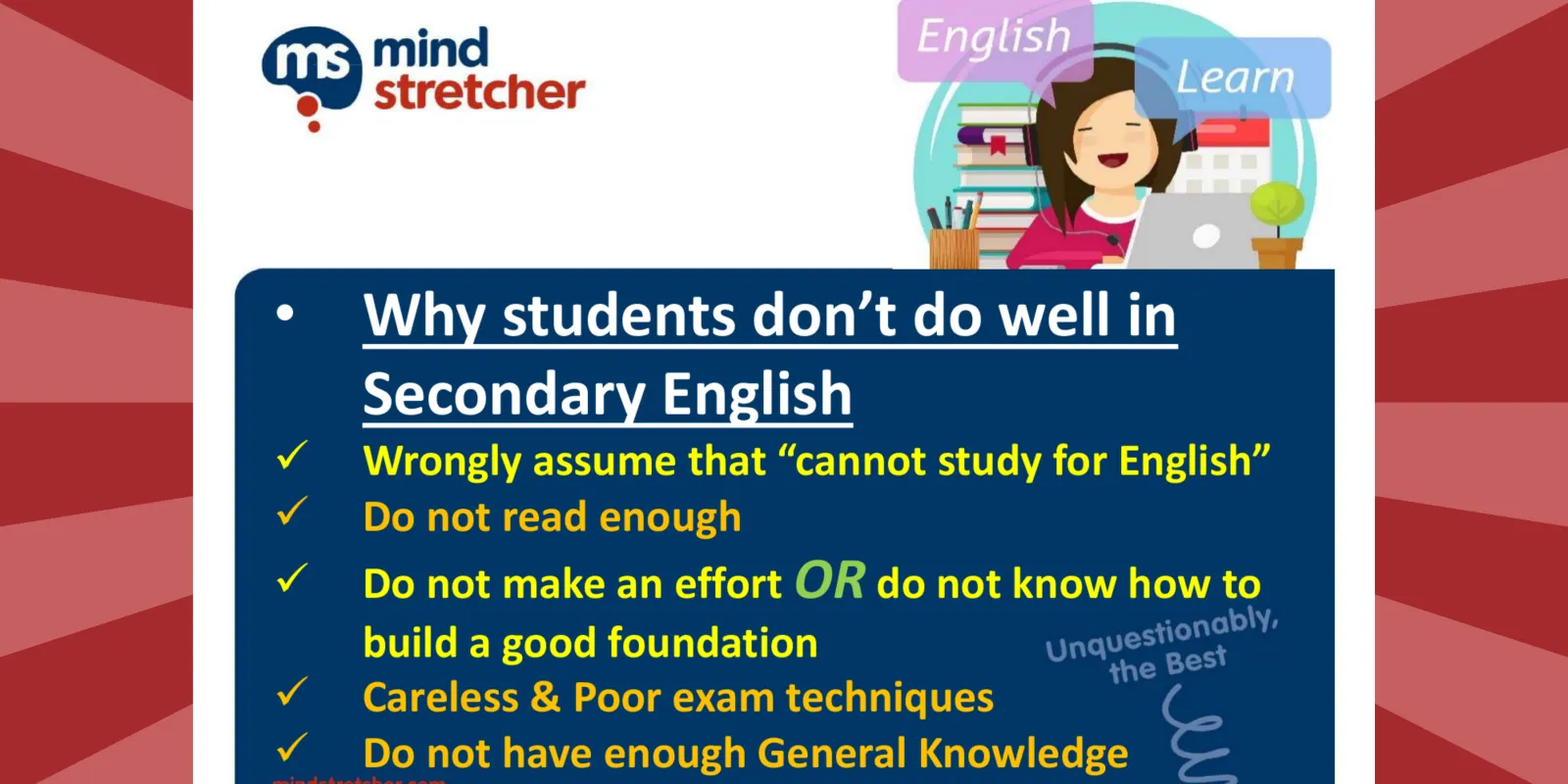
English: Building critical analysis skills for comprehension and argumentative writing
Maths: Mastering PRWC questions and strengthening Sec 1-2 foundations
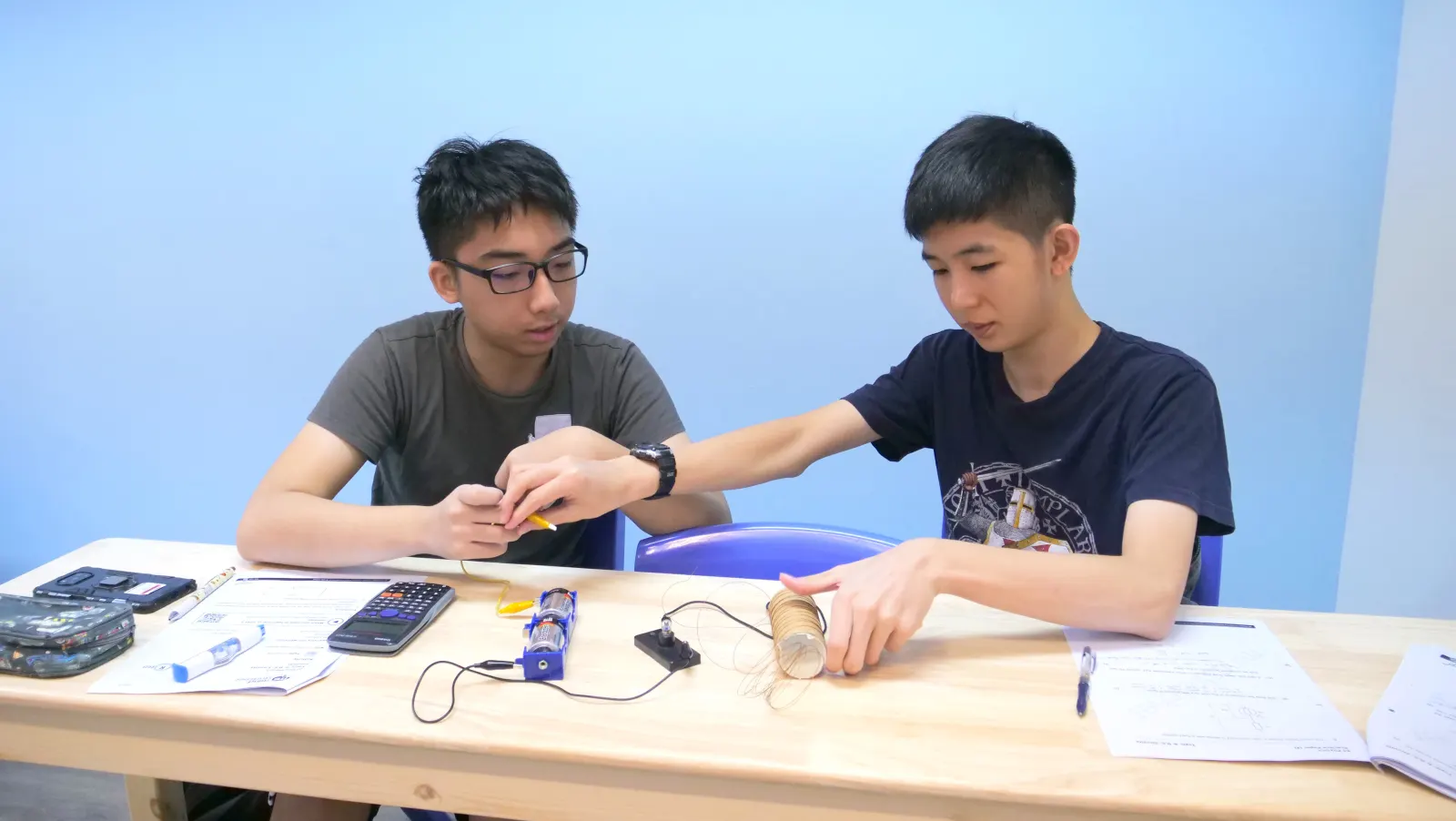
Science: Applying concepts (not just memorising) for Chemistry, Physics & Combined Science
Chinese: Systematic techniques for composition, comprehension, and oral
Our bundle discount (up to 20% off) ends on 31 January — register now to secure the best savings, or chat with us on WhatsApp if you have questions.
English: Tackling Complexity at Upper Secondary
Upper Secondary English demands critical thinking and structured responses — surface-level answers no longer cut it.
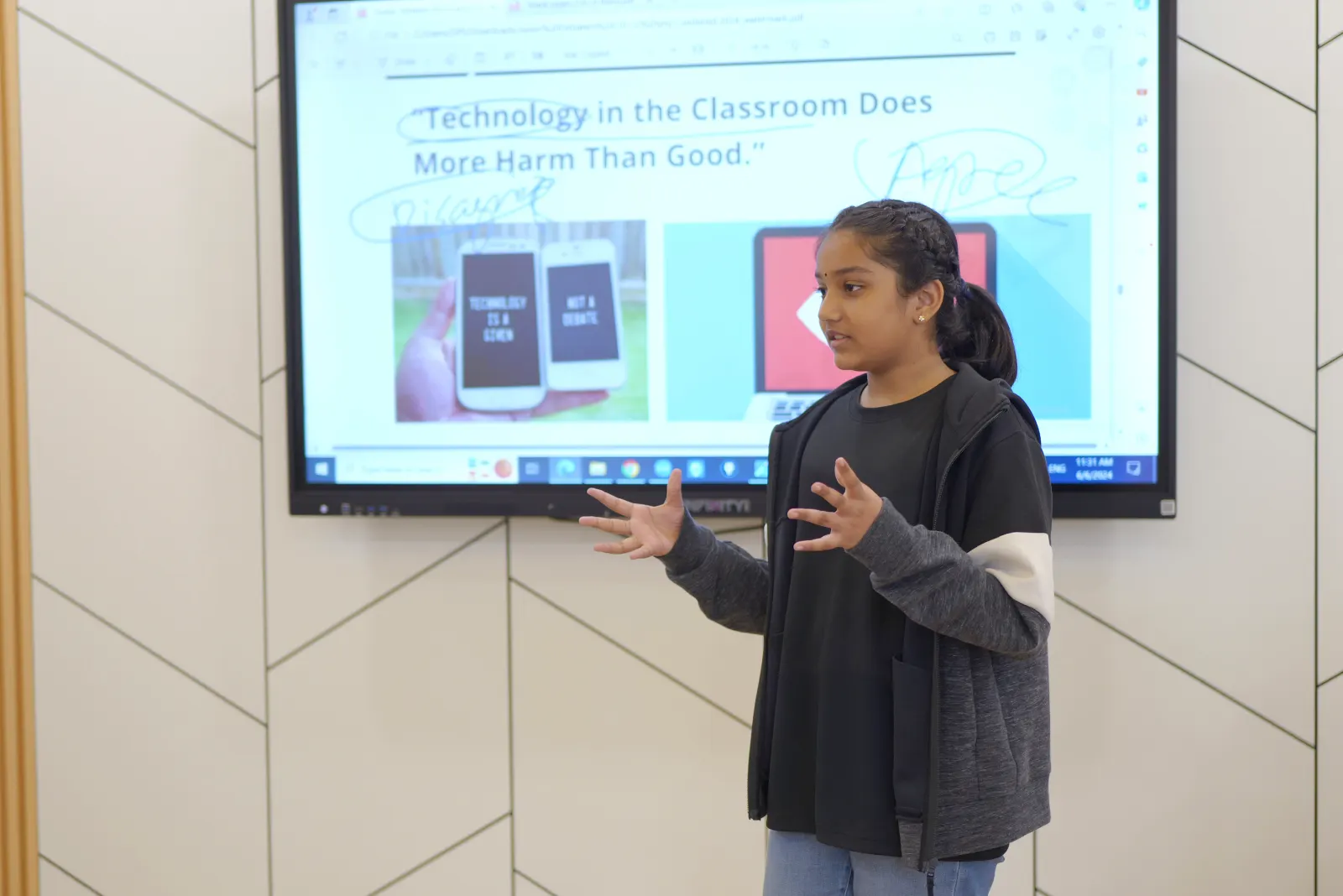
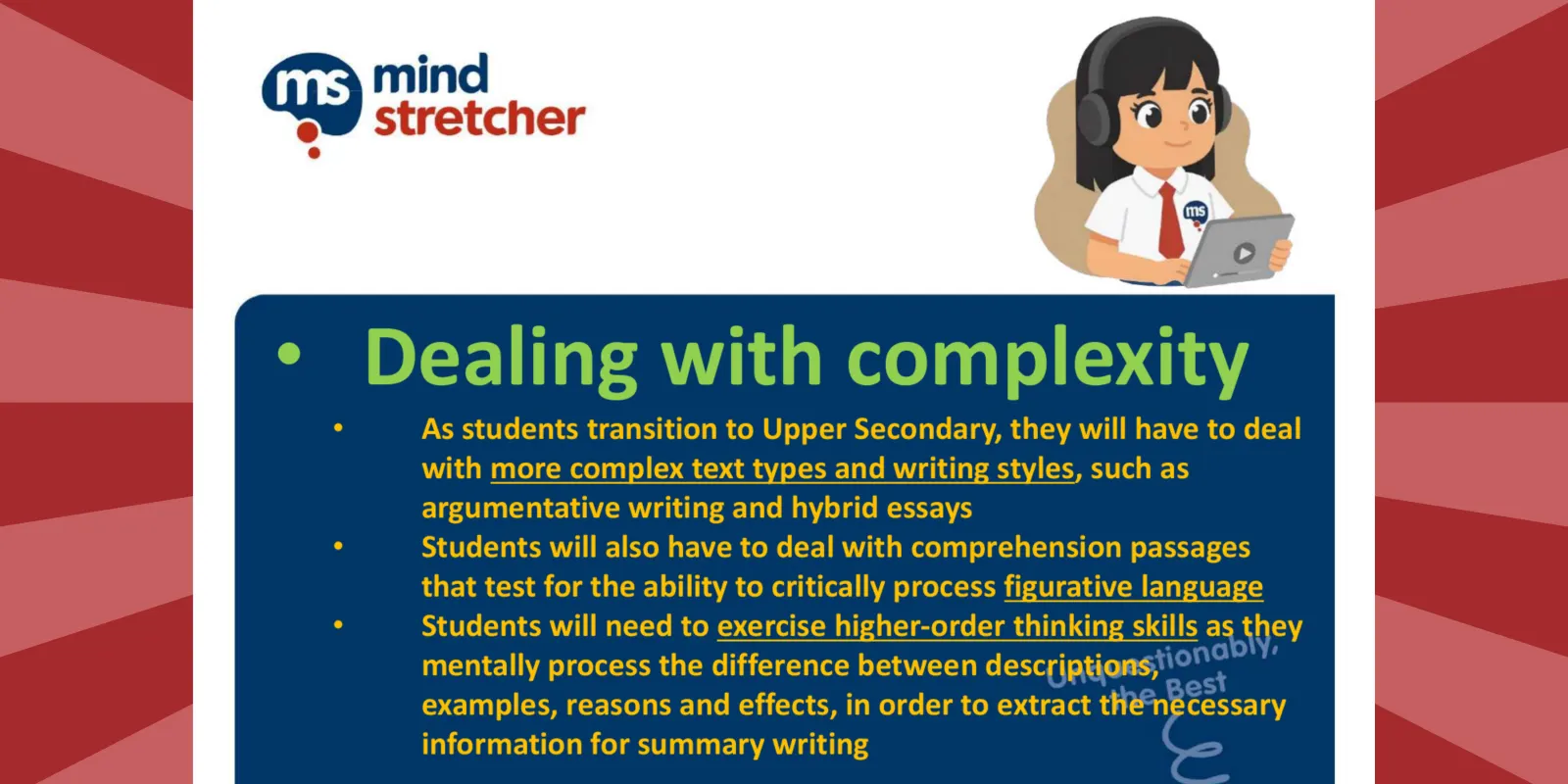
Writing: Students face more complex text types including argumentative essays and hybrid formats. Planning before writing is essential — state your central argument clearly, support with evidence, and ensure logical flow between paragraphs.
Comprehension: Passages test the ability to critically process figurative language and implied meaning. Go beyond surface comprehension to analyse literary devices and their effects.
Summary Writing: This component requires higher-order thinking — mentally distinguish between descriptions, examples, reasons, and effects to extract only what’s needed. Many lose marks by including unnecessary details.
Fluency development: Pay attention to marked work, build vocabulary daily, and read widely. There are no shortcuts to language mastery — consistent effort yields results.
Maths & A-Maths: Building Strong Foundations for Success
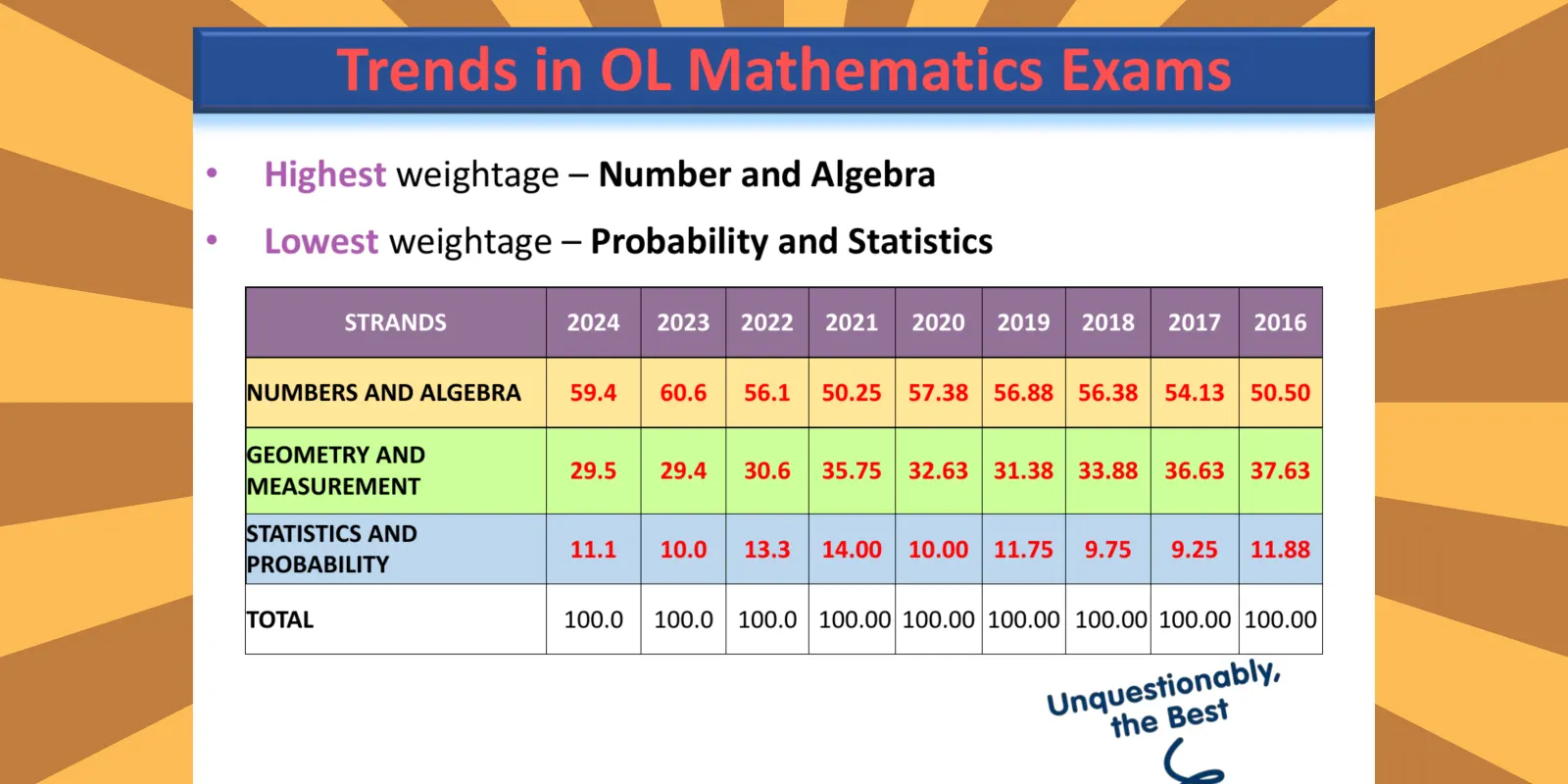
O-Level and IP Year 4 Maths covers all topics from Sec 1 onwards — weak foundations in earlier years can significantly impact performance.
Strengthen Sec 1-2 foundations. Chapters like Percentages, Number Patterns, Algebraic Identities, and Volume/Surface Area are prerequisites for Sec 3-4 topics. Use school holidays to revise and fill gaps before they compound.
Master Problems in Real-World Contexts (PRWC). The final Paper 2 question is a 10-11 mark PRWC question requiring a decision. Scoring well requires reading context thoroughly, making reasonable assumptions, and showing clear working — method marks are still awarded even if the final decision is incorrect.
Practice P.A.U. (Presentation, Accuracy, Units). Many marks are lost to poor presentation (messy layout, incorrect equals signs), wrong accuracy (3 s.f. for non-exact answers, 1 d.p. for angles), and missing units. These are avoidable with careful practice.
Don’t underestimate timed practice. Completing at least 5 full exam papers under timed conditions builds stamina and reduces mental blocks during actual exams.
Watch the Additional Maths Briefing →
Pure & Combined Science: Understanding Over Memorisation
The Upper Secondary Science syllabus emphasises understanding and application over factual recall. Whether you’re taking Pure Chemistry, Pure Physics, or Combined Science, the key is applying concepts to novel situations — not just memorising content.
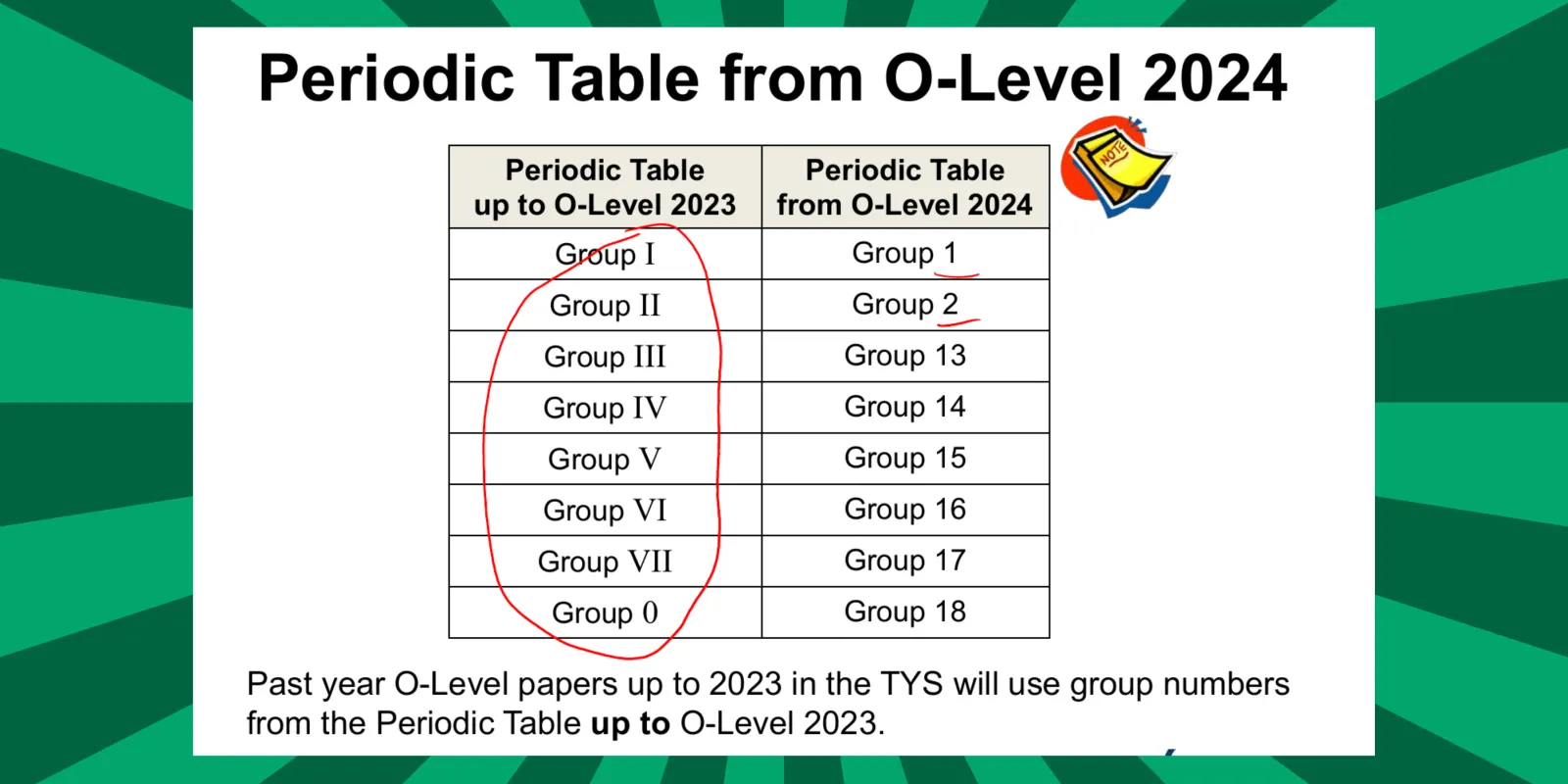
Chemistry — Know the new syllabus content. From 2024, new content include the mole concept (Avogadro constant), biofuels, plastic recycling methods, carbon cycle, and greenhouse gases. Periodic Table group numbers have also changed (e.g., Group VII is now Group 17). Build strong Sec 3 foundations (moles, acid reactions) as they’re prerequisites for Sec 4 topics like speed of reaction and electrolysis.
Physics — Connect concepts to problem-solving. Many students understand concepts but struggle to apply them. Identify weak topics early using past test results, and address gaps before they compound. Use precise scientific language — keywords matter for marks. Create your own concept maps to organise and link content across topics.
Combined Science — Balance both subjects. Managing two subjects in one grade can be challenging, especially when you’re stronger in one than the other. Focus extra effort on the weaker subject, and remember that practical papers require skills in both. The good news: Combined Science topics are a subset of Pure Science, so the depth required is more manageable.
For all Science subjects: Use progressive practice — start with Topical TYS, then Yearly TYS, then School Prelim Papers. For structured questions, identify the topic and concept based on clues in the question, plan answers based on marks allocated, and avoid general or incomplete explanations.
Watch the Chemistry Briefing →
Register for the Physics Briefing →
Chinese: Systematic Techniques for Every Component
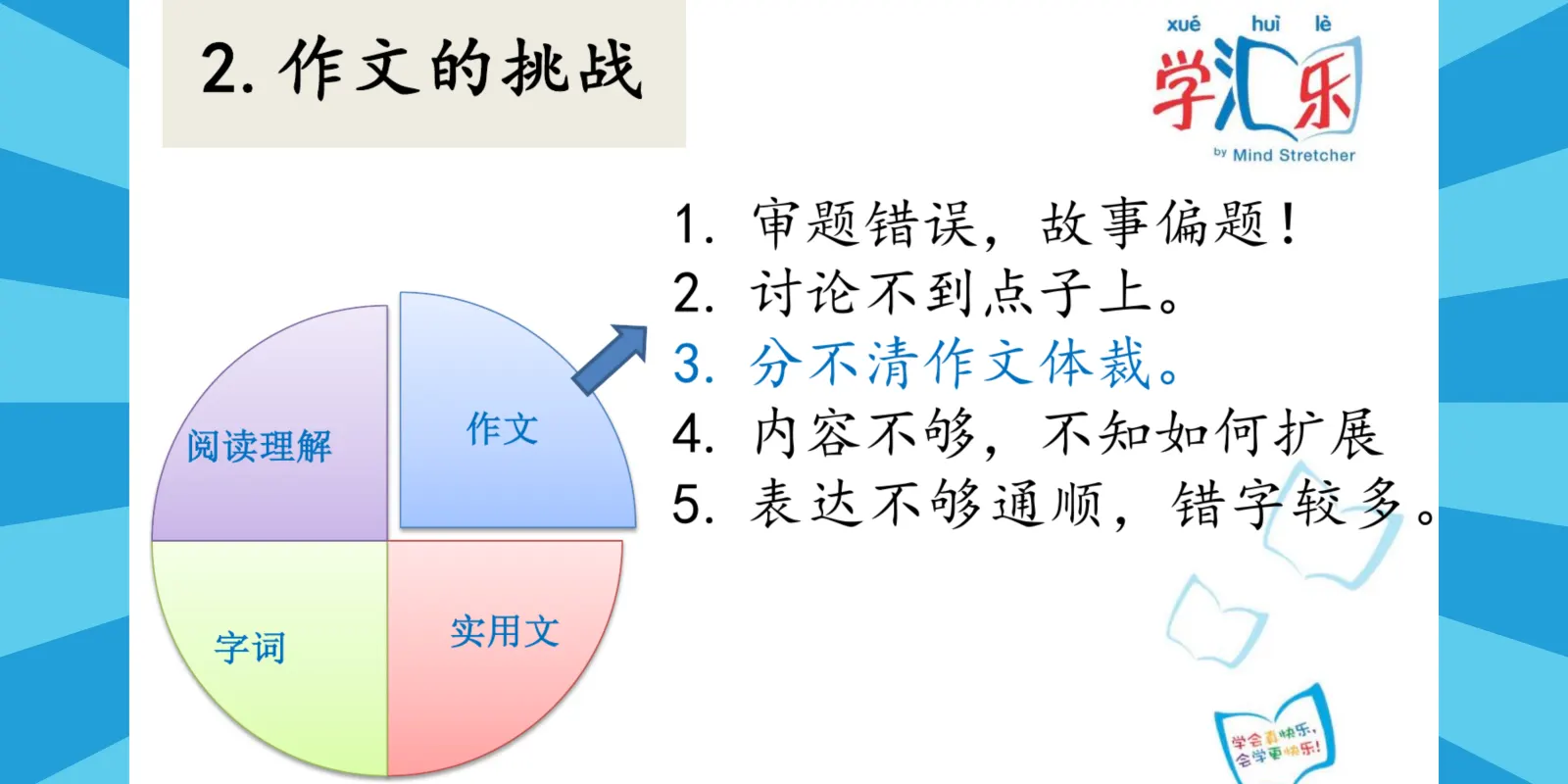
O-Level Chinese has three papers — Writing (30%), Language Comprehension (35%), and Oral & Listening (35%).
Composition: For narrative essays, use topic analysis to identify keywords, related parties, and content restrictions. Techniques like flashback, suspense, and contrast make compositions more engaging. For argumentative essays, follow a clear structure (Introduction 5%, Body 90%, Conclusion 5%) with 3 supporting reasons and examples.
Comprehension: The new Vocabulary Replacement section requires replacing one character in underlined words. For open-ended questions, combine the author’s viewpoint with your own explanation — don’t just copy from the passage without modification.
Oral: Practise reading aloud daily for pronunciation and intonation. For the conversation component, prepare responses on common topics (traditional culture, social issues, daily life) and practise expressing opinions clearly.
For Higher Chinese students: Additional challenges include 病句改正 (sentence correction), 片段缩写 (passage summarization), and 演讲词 (speech) composition. The oral has both 口头报告 (oral report) and 讨论 (discussion) components.
Register for the Higher Chinese Briefing →
Register for the Chinese Briefing →
2026 Registration: Bundle Promotion Ends 31 January
Our bundle discount (up to 20% off) runs till 31 January. Register for multiple subjects now to enjoy the best savings for AY 2026.
Register for AY 2026 → | Chat with Us →
If you’d like to experience classes first, make use of our 1-week unlimited trial classes to try all subjects across all centres before committing.
Upcoming: A-Maths Bridging Sessions
Preparing for Additional Mathematics? Our A-Maths Bridging Sessions help Sec 3 / IP Year 3 students (and Sec 4 / IP Year 4 students who need a refresher) build a strong foundation in A-Maths before school starts.
View A-Maths Bridging Session Details →
Register for all free sessions →
January Briefings for Other Levels
Have children at other levels? View our subject briefing summaries: